Personal Reconnection

Personal Reconnection is a transformative process that involves reconnecting to your higher self and aligning with a more profound aspect of your existence. This practice aims to address various challenges and offer benefits that extend to mental, emotional, and spiritual well-being.
Reconnecting to Life’s Purpose: Personal Reconnection helps individuals align with their life’s purpose. By establishing a stronger connection with your higher self, you may gain clarity on your path, purpose, and the steps needed to fulfill your true potential.

Balancing Energies for Inner Harmony: This process focuses on balancing and realigning your energy field, contributing to inner harmony. Many individuals report feeling a sense of balance and peace after undergoing Personal Reconnection.

Enhanced Intuition and Self-Awareness: Through this transformative process, individuals often experience heightened intuition and increased self-awareness. The realignment of energies can lead to a more profound understanding of oneself and one’s place in the world.

Release of Emotional Baggage: Personal Reconnection can aid in releasing emotional baggage and past traumas. By reconnecting to higher frequencies, individuals may experience emotional healing, leading to a more liberated and empowered state.

Increased Vitality and Energy Flow: Many people who undergo Personal Reconnection report increased vitality and a more robust flow of energy throughout their being. This revitalization is often associated with a heightened sense of well-being.

Alignment with Universal Energies: This process facilitates a harmonious connection with universal energies, promoting a sense of oneness with the universe. Individuals often report feeling more connected to the world around them.
Access Bars

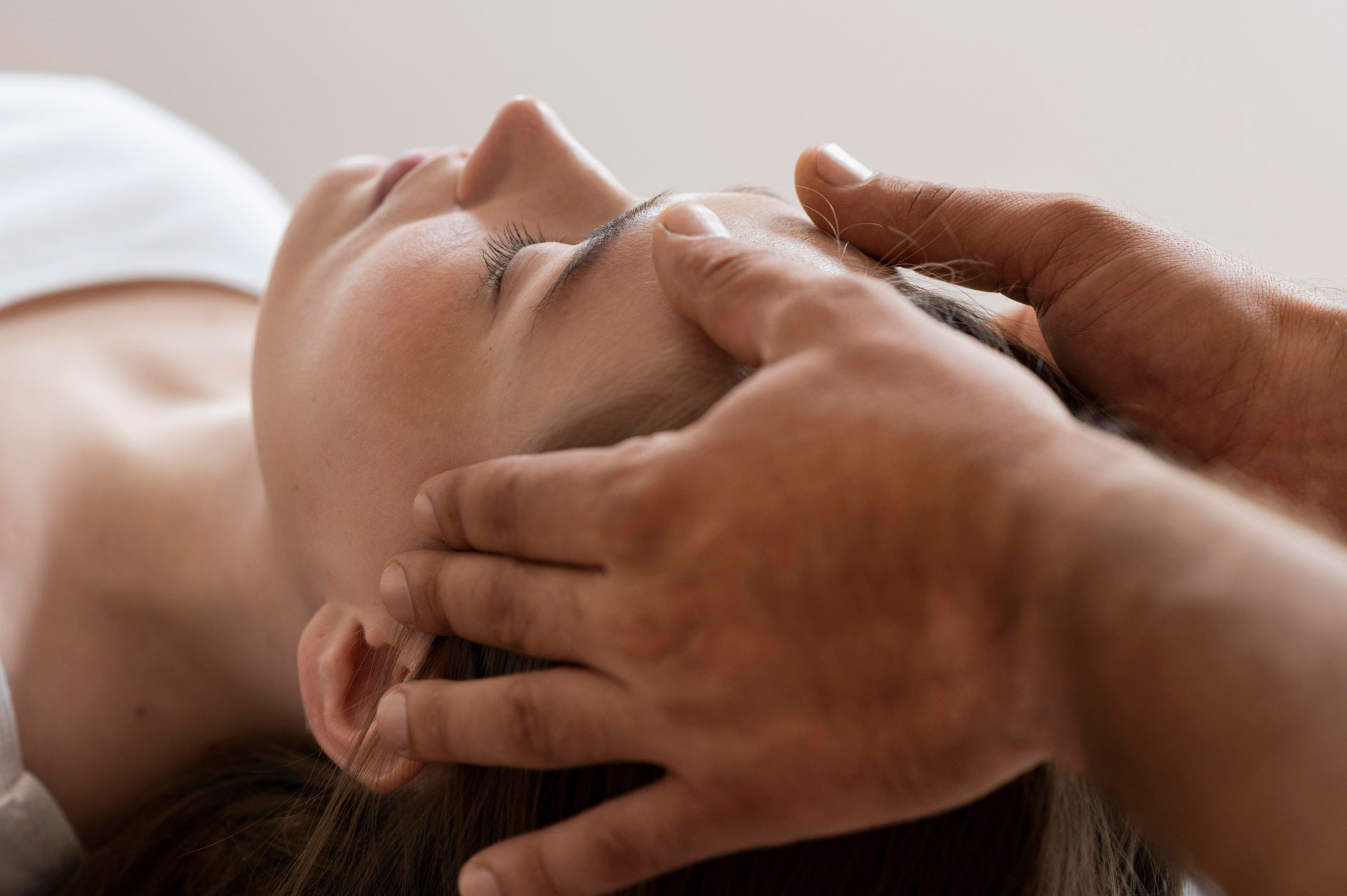
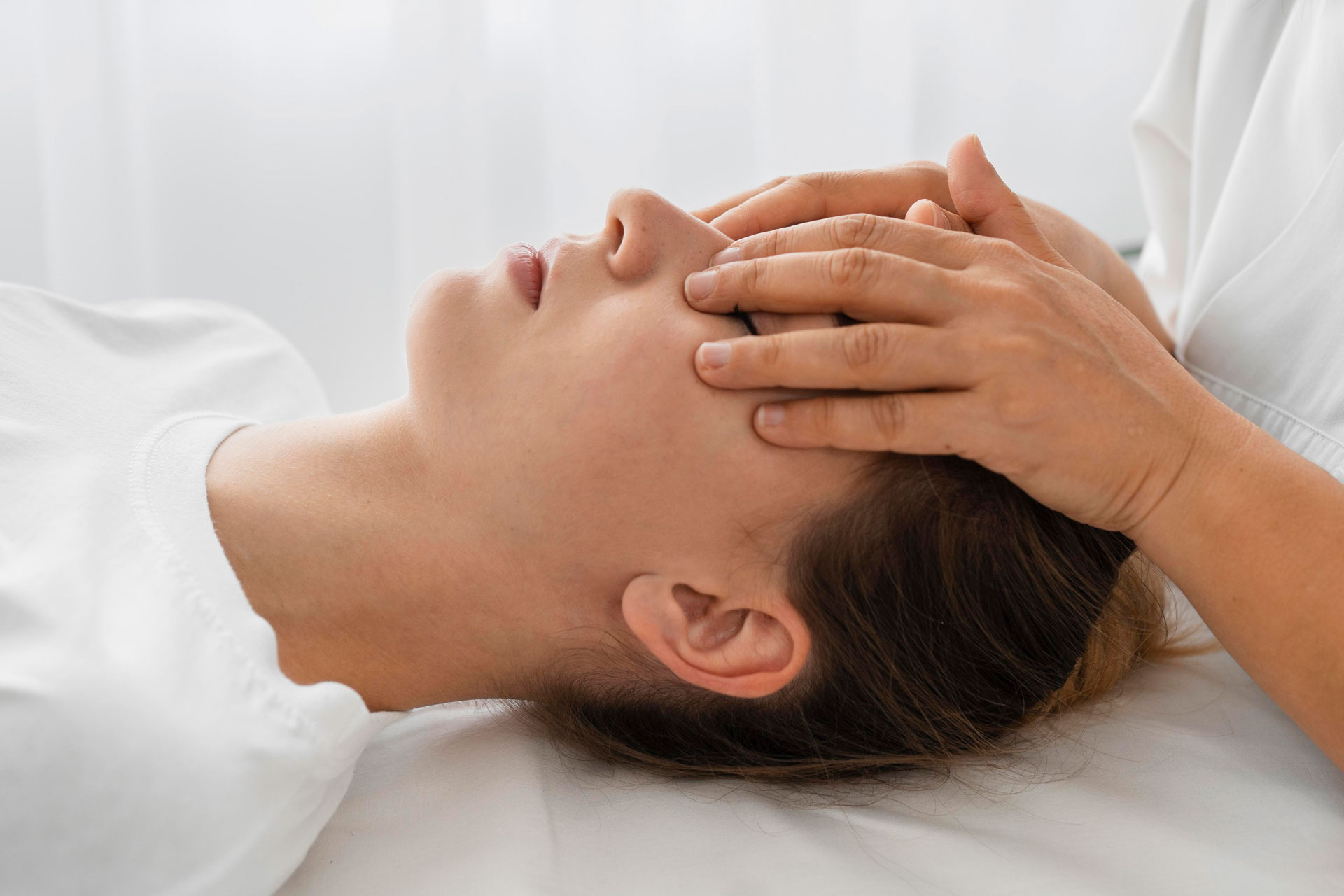
Access Bars is a holistic technique that involves gently touching specific points on the head, known as bars, to release energetic blockages and promote a sense of well-being. This practice offers a range of benefits that contribute to mental, emotional, and physical harmony.

Unlocking Mental Clutter: Access Bars is renowned for its ability to clear mental clutter and chatter. By lightly touching the Bars, this technique facilitates the release of thoughts, beliefs, and emotions that may be causing mental congestion, leading to a calmer mind.

Stress Reduction and Relaxation: One of the primary benefits of Access Bars is stress reduction. The gentle touch on the Bars induces a deep state of relaxation, allowing the release of tension and promoting a profound sense of ease and tranquility.

Enhancing Emotional Resilience: Access Bars supports emotional well-being by helping individuals process and release stored emotions. This can lead to increased emotional resilience, a greater capacity to handle life’s challenges, and a more positive emotional state.

Improved Sleep and Energy Levels: Many people report improved sleep patterns and increased energy levels after Access Bars sessions. The relaxation and release of energetic blockages contribute to a more restful sleep and enhanced vitality.

Clarity of Thought and Decision-making: The practice of Access Bars often results in heightened mental clarity. Clearing energetic blockages can lead to more focused thinking, improved decision-making, and an overall sense of mental sharpness.

Pain Relief and Physical Well-being: Access Bars has been associated with alleviating physical discomfort by releasing energetic imbalances. Although not a substitute for medical treatment, this technique is reported to contribute to an improved sense of physical well-being.

Pranotherapy

Pranotherapy, also known as pranic healing, is an ancient technique of energy healing that focuses on cleansing and strengthening life energy (prana) to promote recovery and balance on various levels. This practice brings a range of benefits that support physical, emotional, and spiritual well-being.

Removing Energetic Blockages: Pranotherapy aims to eliminate energetic blockages that can cause various health issues. Through precise techniques of directing prana, this method helps release stagnant energy and restores the flow of vital life force.

Reducing Stress and Tension: Working on the energy centers of the body during pranotherapy often results in reduced stress and tension. This technique relaxes the body and mind, contributing to inner harmony and a sense of peace.

Promoting Physical Healing: Pranotherapy supports physical healing by aligning the energy balance of the body. Through this practice, many notice improvements in overall health, faster recovery from injuries, and increased resistance to illness.

Awareness of Emotions and Mental Clarity: Working on the energetic aspects of the body during pranotherapy can stimulate awareness and understanding of emotional causes of issues. This therapy also often contributes to mental clarity and a reduction in mental confusion.

Balancing Energy Centers: Pranotherapy focuses on balancing energy centers (chakras) to ensure optimal energy distribution. This balance contributes to mental stability and emotional well-being.

Supporting Psychological Well-being: In addition to physical benefits, pranotherapy provides support for psychological well-being. Through working on energy fields, this method can contribute to reducing symptoms of anxiety and depression and improving overall mood.

Pranotherapy, as a holistic approach to healing, has the potential to contribute to the overall well-being of the body and mind. This ancient technique can be helpful in facing various challenges and supporting your journey toward inner healing.

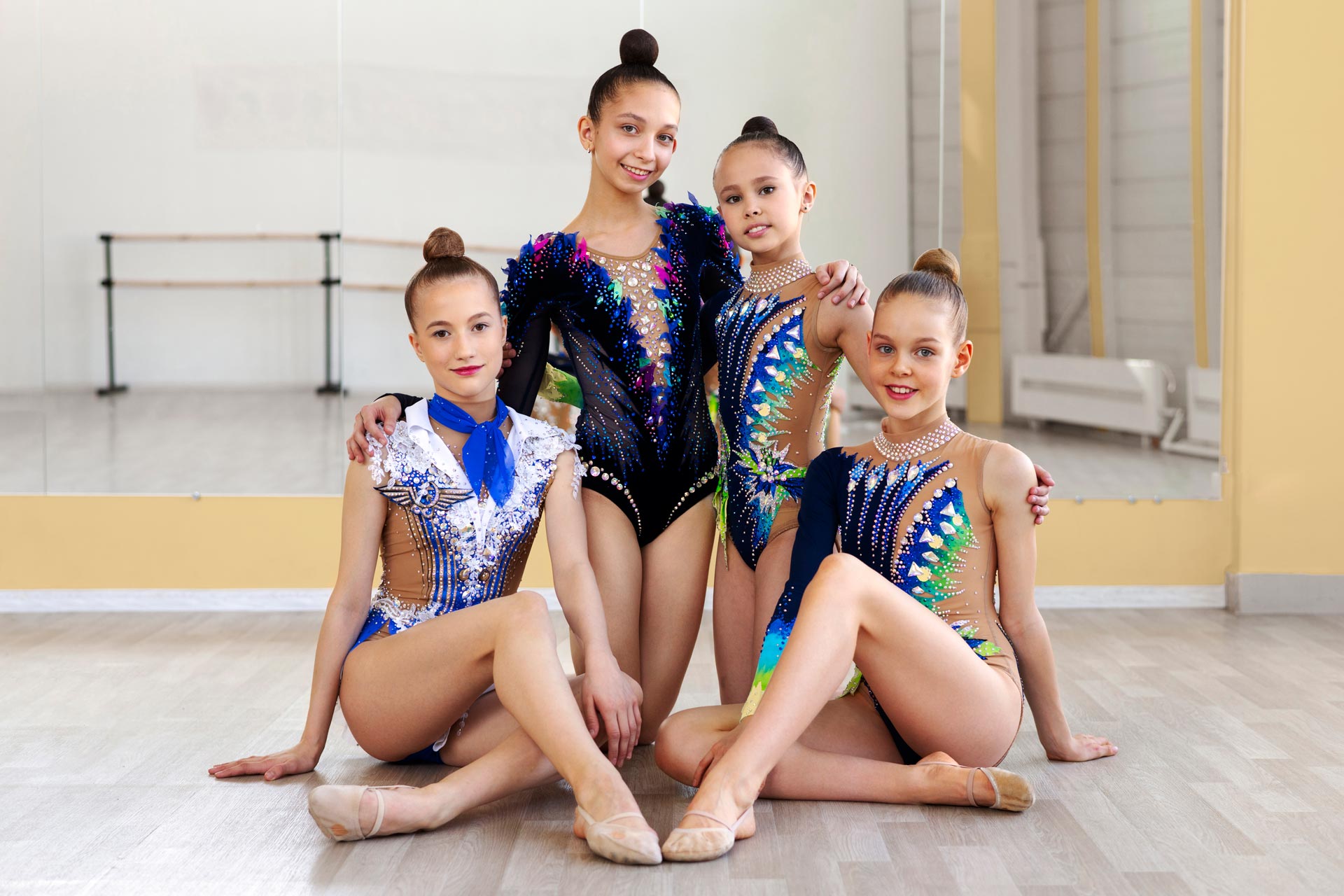
Gymnastics

Gymnastics represents an exceptionally beneficial and comprehensive way to support the development of your children. Through diverse exercises and activities, gymnastics not only provides physical benefits but also plays a crucial role in fostering various aspects of a child’s development.

Physical development and strength: One of the primary goals of gymnastics for children is to promote physical development. Regular exercises help strengthen muscles, improve flexibility, and enhance overall physical strength. This aspect of gymnastics contributes to building fundamental motor skills that a child will use throughout their life.

Coordination and balance: Gymnastics develops coordination and balance in children. Early development of these skills is crucial for coordinated movement and performing everyday activities. Through various exercises, children learn to control their bodies in space, thereby improving overall body awareness.

Increased self-confidence: Mastering gymnastic elements, whether basic floor exercises or more advanced acrobatics, contributes to increased self-confidence in children. The sense of achievement after successfully completing exercises enhances a child’s belief in their own abilities.

Social interaction and team spirit: Gymnastic activities are often conducted in groups, encouraging social interaction and the development of team spirit. Children learn to collaborate with peers, sharing experiences and supporting each other in overcoming challenges.

Encouraging discipline and responsibility: Regular gymnastics practice cultivates discipline and responsibility in children. Learning different techniques and making progress requires dedication, patience, and effort, laying the foundation for positive life habits.

Injury prevention through proper warm-up: Gymnastics includes an important aspect of proper warm-up, which can reduce the risk of injuries. Children learn the importance of keeping their bodies fit and warming up correctly before engaging in more intensive activities.

Gymnastics for children provides a range of benefits that support the overall development of your little ones. Through this dynamic activity, children not only develop physical skills but also gain important life lessons that will accompany them throughout their lives.

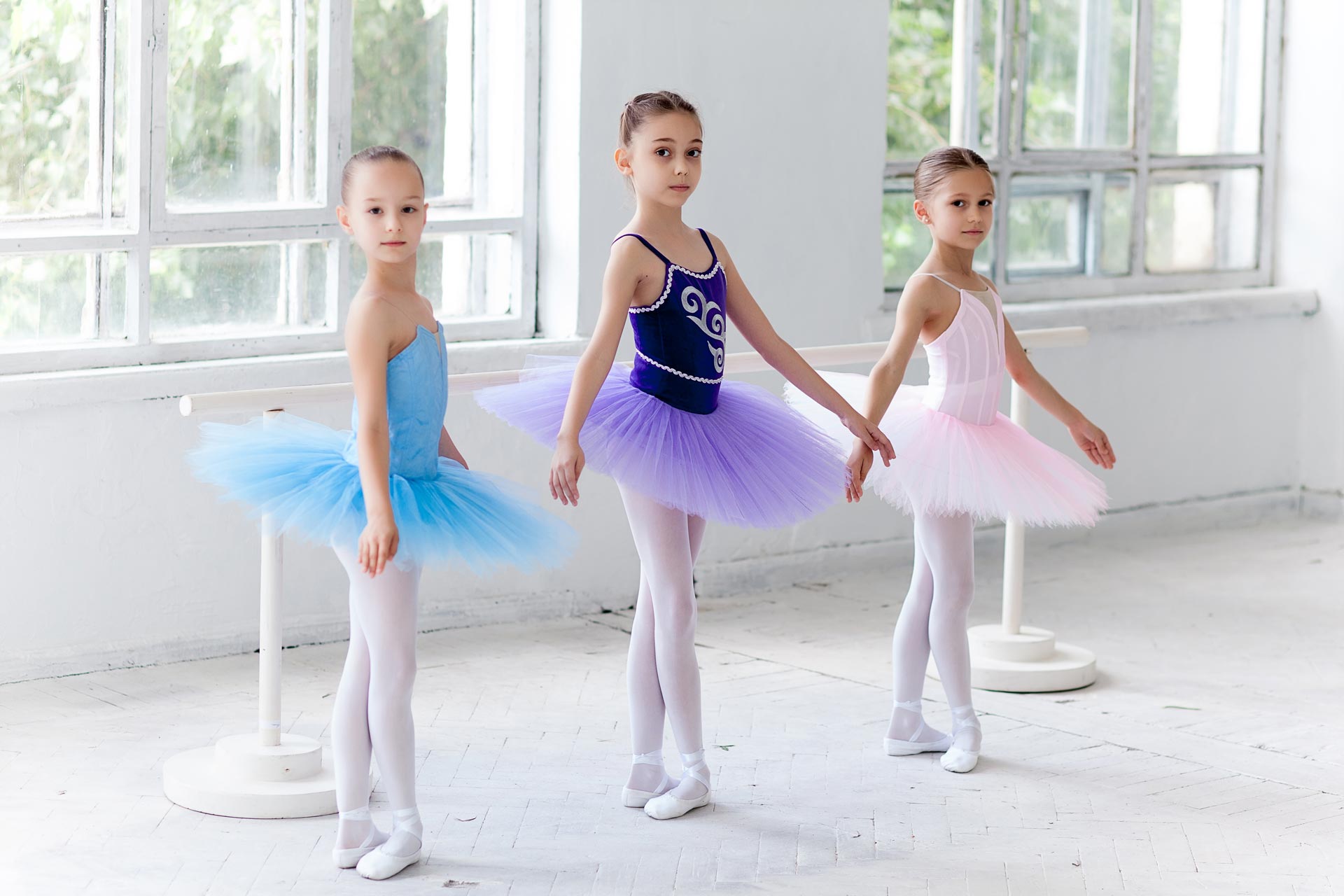
Classical Ballet

In today’s fast-paced world, where the focus is often on technology and a fast way of life, it is important to find a balance that contributes to the holistic development of your children. Classical ballet is one of the precious resources that can enrich the lives of your little ones in a holistic way.

Physical development: Through graceful movements and precise ballet technique, children develop strength, balance, and flexibility. These physical skills not only support healthy growth and development but also promote awareness of their own bodies.

Mental development: Ballet requires concentration and discipline, which helps develop mental skills in children. Through careful guidance and memorization of steps, children learn to focus their minds, simultaneously fostering creativity.

Emotional development: Expressing emotions is key to a holistic approach to education. Ballet allows children to express themselves through movements and gestures, encouraging emotional intelligence and self-confidence.

Social development: Learning ballet often takes place in groups, providing an opportunity for socialization and the development of social skills. Your children will build friendships as they grow and learn new skills together.

Spiritual development: Classical ballet also has a spiritual dimension. Through music, movements, and stories conveyed through ballet, children can experience artistic expression that contributes to their spiritual development.

Overall, involving your children in the world of classical ballet can be a crucial step toward a holistic approach to their education. Let ballet become not only a part of their everyday life but also a precious part of their life story.

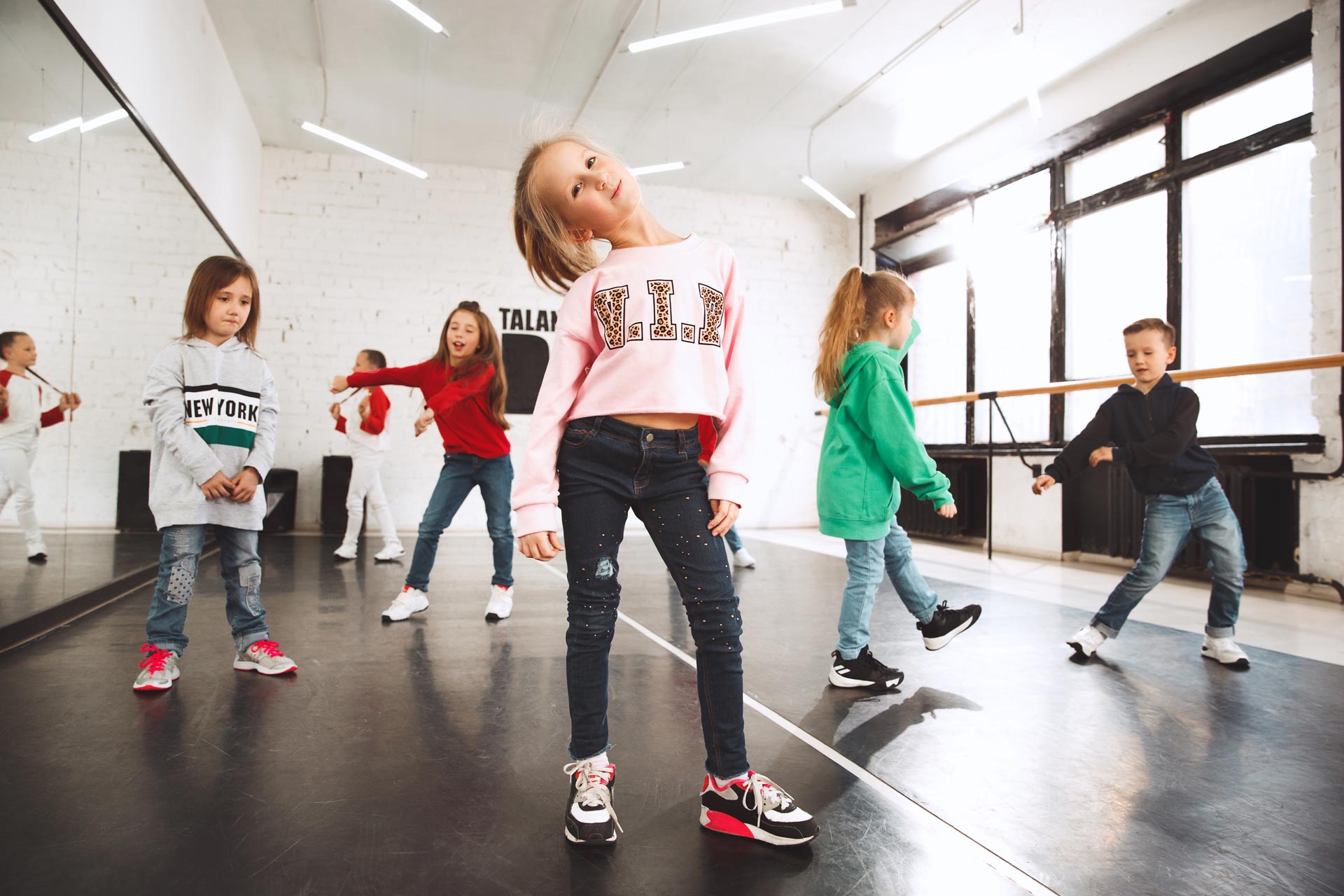
Contemporary Dance

In the dynamic world of art, contemporary dance represents a beautiful blend of classical ballet and emotional expression, providing your children with a unique opportunity for holistic development. Here’s why contemporary dance is essential for your children.

Expressing emotions through movement: Contemporary dance goes beyond classical ballet by combining graceful movements with the freedom of emotional expression. Your children will learn to use their bodies as a language, exploring a wide range of emotions through movements and gestures.

Blend of discipline and creativity: Similar to classical ballet, contemporary dance requires discipline in performing techniques but also encourages creativity in interpretation and expression. This blend develops a holistic approach to learning, where discipline merges with the freedom of expression.

Physical activity and body awareness: Contemporary dance promotes physical activity through dynamic movements, supporting the healthy development of the body. Children will become aware of their bodies, adopting the grace and flexibility that this form of dance brings.

Development of critical thinking: Interpreting different emotions through dance requires thinking and analysis. Your children will develop critical thinking by learning how to make decisions about how to best express specific feelings through their movements.

Teamwork and connection: Contemporary dance often encourages group performances, fostering teamwork and connection. Your children will learn how to create and express together through dance, developing important social skills.

Artistic expression for the soul: Contemporary dance allows children to experience art in a deeper way, combining movement, music, and emotions. This form of dance contributes to spiritual development, providing your children with space for personal and artistic growth.

Involving your children in the world of contemporary dance will not only help them develop physical skills but will also provide them with a tool for expressing and understanding emotions in a deeper way. Let contemporary dance be the path to the holistic growth of your children.

Different Types of Dances

Different types of dances not only offer diversity in entertainment but also provide a wealth of benefits for the holistic development of your children. From traditional dances to contemporary rhythms, the diversity in dance has a significant impact on the health, mental development, and overall well-being of your children.

Exploring cultures through dance: Exploring cultures through dance adds a special layer of diversity to your children’s childhood. Through dance forms like Flamenco, Tango, and other traditional dances, children not only get the opportunity to explore different styles but also to deeper understand the cultures from which these dances originate.

For example, Flamenco from Spain brings energy and passion, Tango from Argentina emphasizes elegance and body communication. This experience not only enriches your children’s childhood aesthetically but also allows them to develop respect for diversity, expanding the horizons of their world.

Learning about various cultures through dance not only supports their cultural education but also promotes tolerance, openness, and understanding of the international community. Let dance become a bridge that connects worlds and opens doors to a deeper understanding of the broader spectrum of human experience.

Physical health: Various types of dances allow your children to use different muscle groups, contributing to the development of motor skills, coordination, and overall bone and muscle health. Additionally, dance is an excellent way to maintain physical activity and supports the overall well-being of children.

Development of creativity: Each dance has its unique style and expresses different cultures and traditions. Learning different types of dances encourages creativity and imaginative thinking in children. They become more open to different artistic expressions and develop the ability to express themselves in various ways.

Mental stimulation: Dances often involve complex patterns and steps, requiring mental engagement and memorization. Your children develop cognitive skills, improving memory, concentration, and the ability to think quickly.

Social connection: Dances often involve group performances, providing an opportunity for the development of social skills and teamwork. Your children will build friendships and camaraderie through shared learning and performing various dances.

Emotional expressiveness: Each dance can convey different emotions and stories. Your children learn how to recognize, express, and understand emotions through movement. This is especially important for the development of emotional intelligence.

Holistic health approach: Learning different types of dances provides your children with a holistic approach to health, encompassing physical, mental, and emotional well-being. Dance becomes a means through which your children develop balance and harmony between the body and mind.

Overall, involving your children in various types of dances provides them with a unique opportunity for comprehensive development. Let diversity in dance be the path to a stronger, healthier, and happier childhood.

Psychomotor Skills

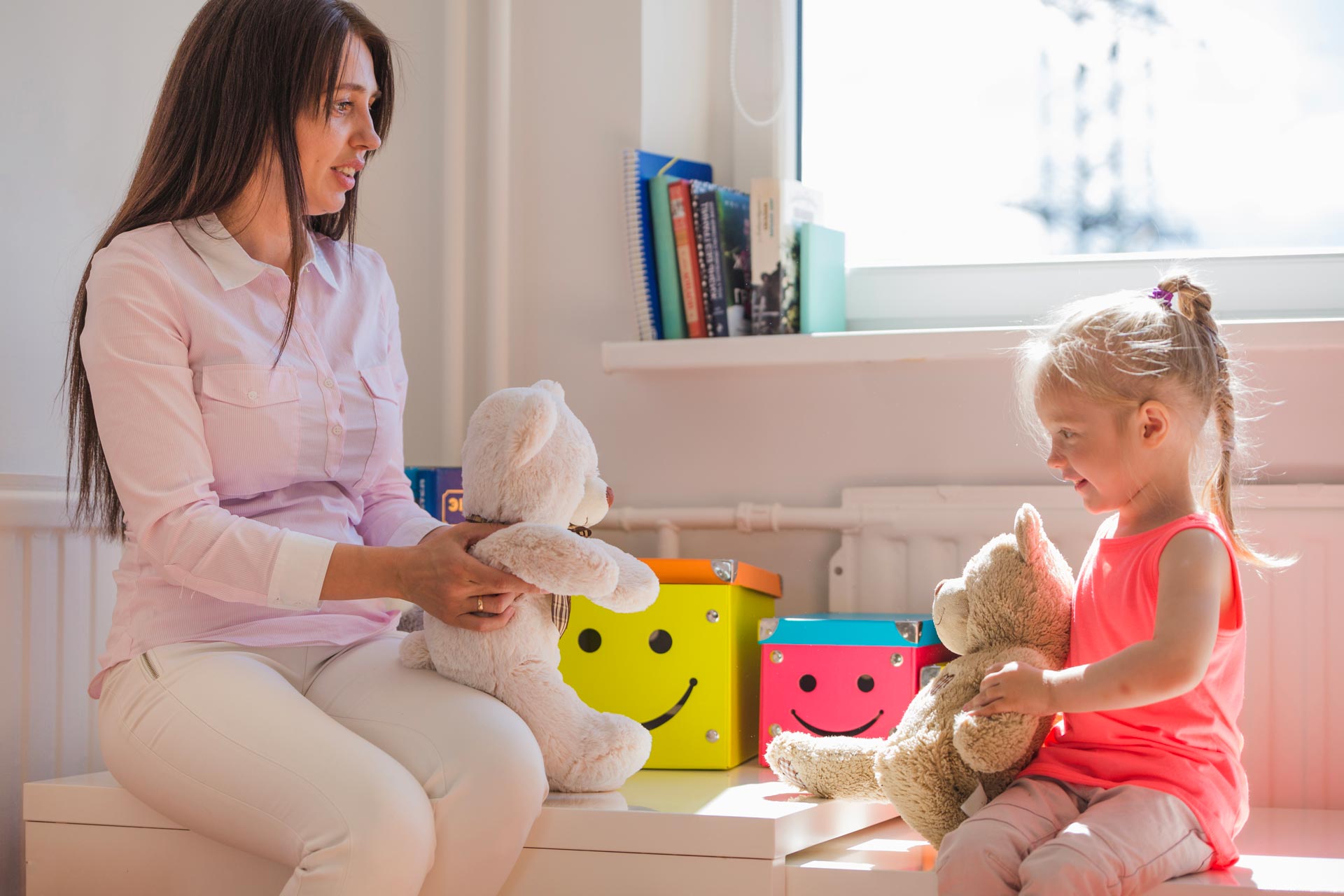
Psychomotor development plays a crucial role in laying the foundation for the healthy and successful life of your children. Here are several key aspects that help understand why early and professional intervention in psychomotor development is essential.

Early intervention: Psychomotor development begins from the earliest days of life. Already in early childhood, through simple activities such as touch, pushing, and toys that encourage exploration, your child starts building the foundations of motor and cognitive skills. Early intervention sets the stage for optimal development.

Professional supervision: Experts in the field of psychomotor development, such as occupational therapists and physiotherapists, play a key role in guiding children through this process. They provide expertise and specific exercises tailored to the needs of each child, taking into account individual characteristics and challenges.

Problem-solving: Psychomotor therapy is particularly important for children facing challenges such as developmental delays, coordination problems, and difficulties in fine and gross motor skills. This approach can help overcome these challenges and enable children to successfully master everyday activities.

Connection to the development of basic skills: Psychomotor development is linked to the development of basic life skills. Through expert guidance, children develop the abilities necessary for independent living, including writing, dressing, feeding, and performing daily tasks.

Mental stimulation: Psychomotor tasks engage your children’s brains in a unique way. Through games that require coordination of movement and concentration, children develop cognitive skills, improving attention, memory, and problem-solving abilities.

Research and figures: Studies have shown that children involved in professionally guided psychomotor development programs have improved cognitive abilities, emotional stability, and better adaptation in the school environment. Early identification and intervention demonstrate long-term benefits for children with special needs.

Ultimately, the initiation of early and professional intervention in psychomotor development lays the groundwork for a healthy and balanced life for your child. In collaboration with professionals, you ensure the best conditions for optimal development of motor and cognitive skills, allowing your child to thrive in all aspects of life.

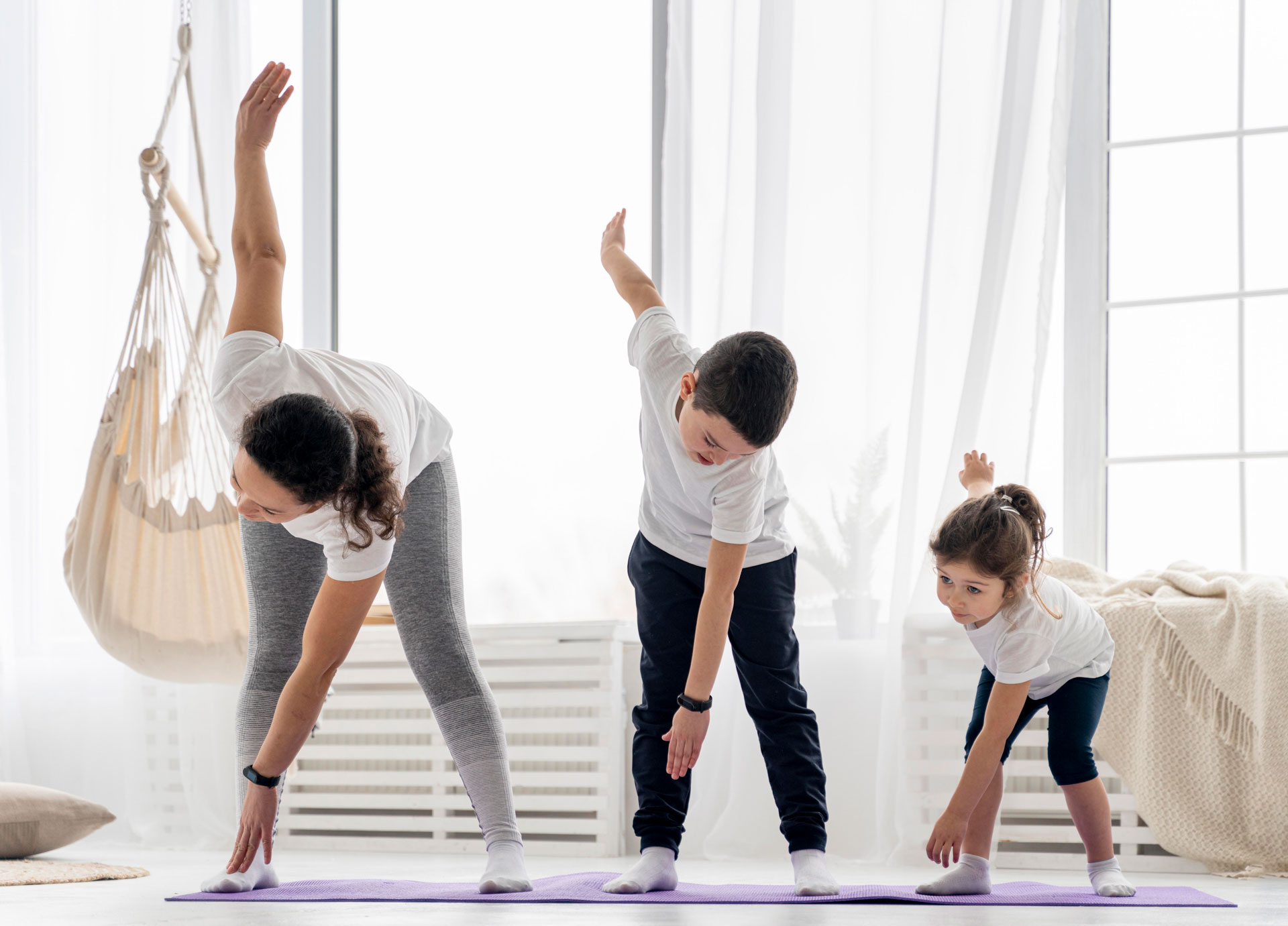
Yoga for Children and Teens

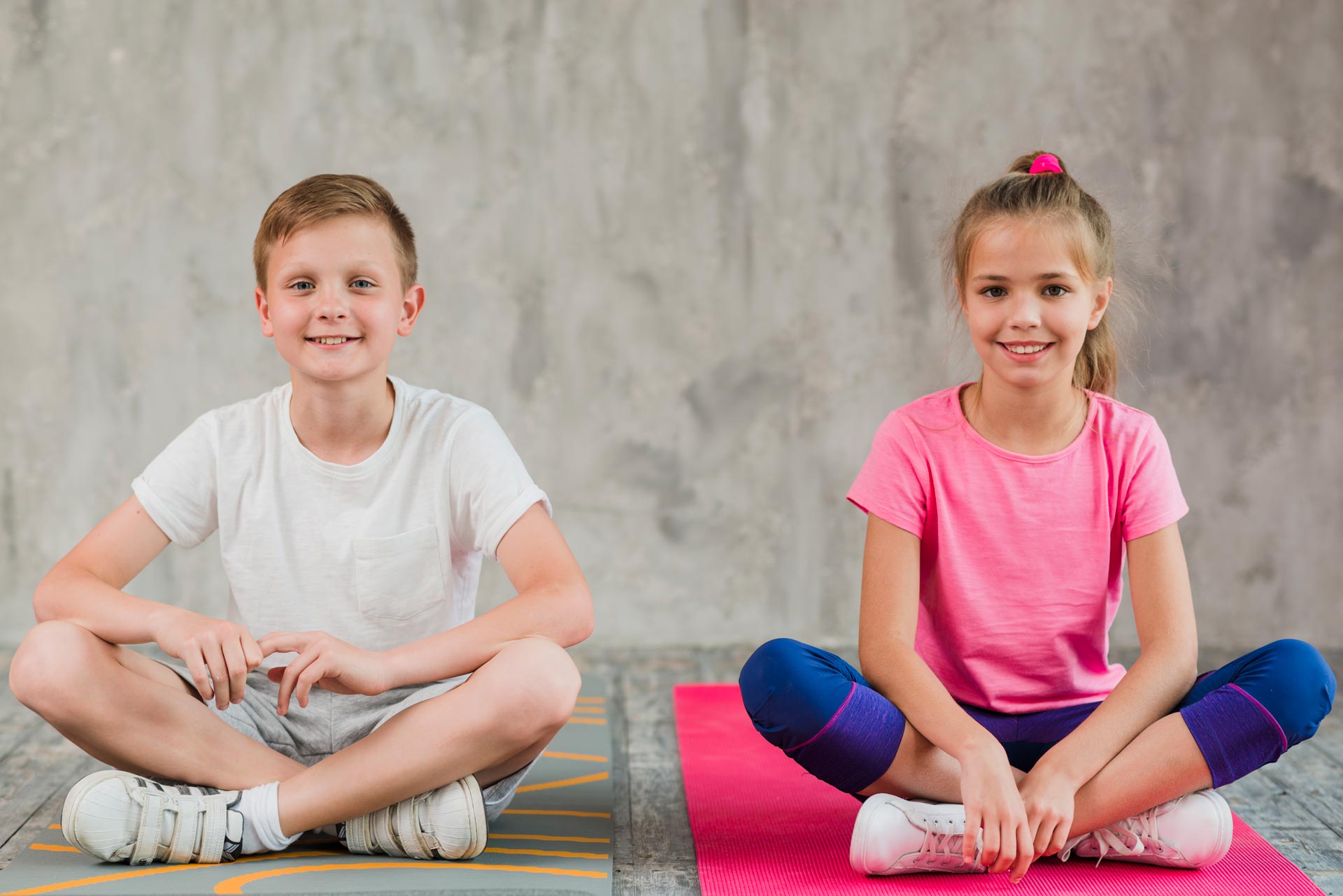
Introducing yoga into your children’s lives can have a deep and positive impact on their physical, mental, and holistic development. Here are a few reasons why yoga is important for children.

Physical activity and flexibility: Yoga provides a unique combination of physical movements that improve strength and flexibility. Through various poses and exercises, children develop motor skills and a sense of their own bodies, making them more physically active and agile.

Reduced anxiety and stress: Yoga teaches children breathing and relaxation techniques, providing them with tools to cope with anxiety and daily stress. Regular yoga practice helps children develop emotional intelligence, strengthening their ability for self-regulation and calming the mind.

Development of discipline: Yoga encourages discipline through regular practice and commitment to the practice. Children learn the value of consistency and develop discipline that is beneficial not only in yoga but also in other aspects of life, including school and household responsibilities.

Self-reflection and awareness: Yoga promotes self-reflection through moments of silence, meditation, and introspection. Children learn to be aware of their emotions, thoughts, and bodies, supporting the development of introspective and self-aware individuals.

Play and creativity: Yoga for children is often combined with play and creative expression, creating a fun and stimulating approach. Through play and imaginative exercises, children not only improve their physical abilities but also develop creativity and freedom of expression.

Research and numbers: Studies show that children who practice yoga have reduced stress levels, improved attention and concentration, and better sleep. Numerous studies also indicate the benefits of reducing anxiety symptoms in children who regularly practice yoga.

Incorporating your children into the world of yoga can be a gift that will accompany them throughout life. Through these practices, children not only strengthen their bodies but also develop tools to cope with life’s challenges, promoting healthy physical, mental, and emotional development.

Chess

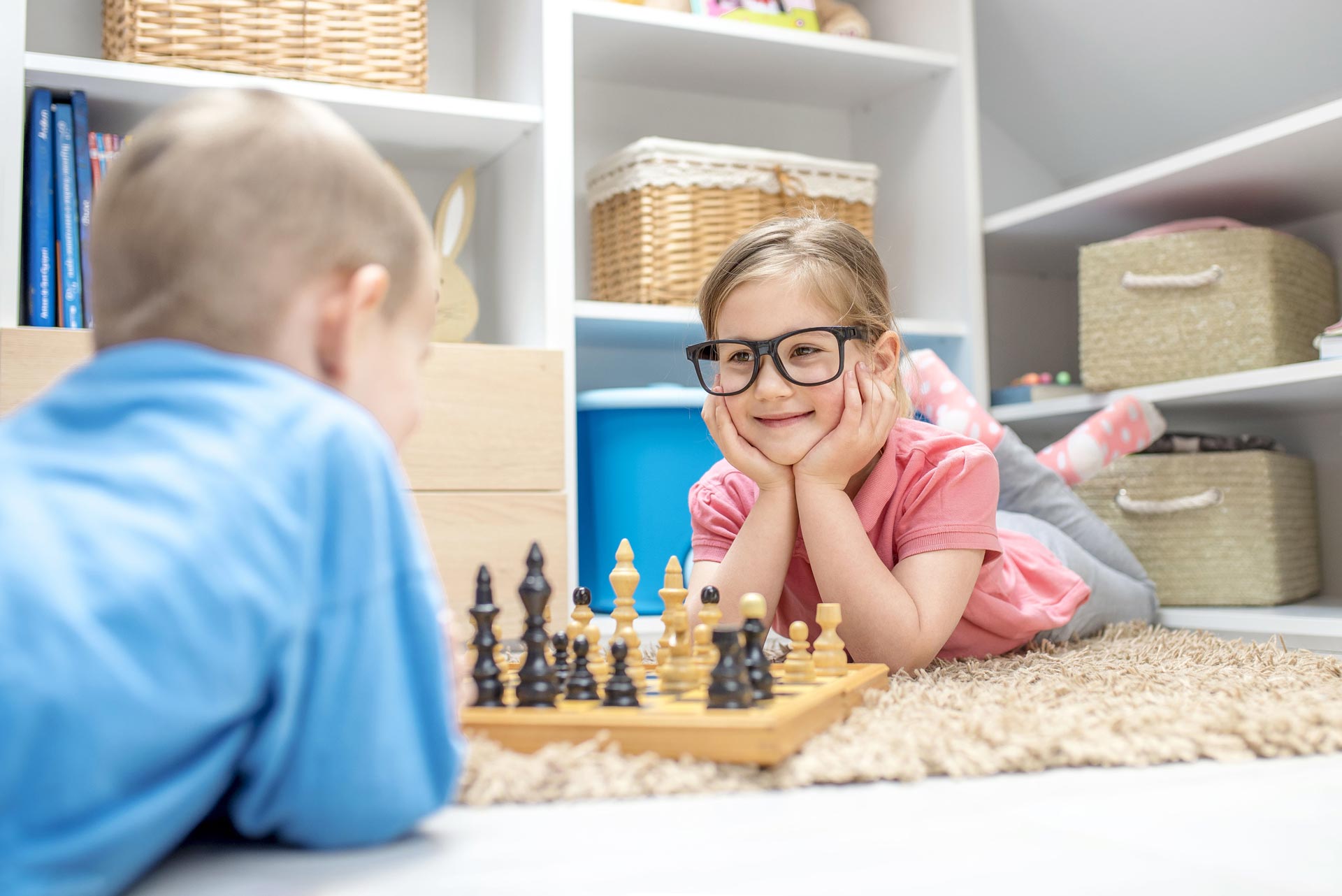
Introducing chess into your children’s lives can be extremely beneficial for their comprehensive development. Chess, as a game that requires deep thinking and strategy, brings numerous advantages that impact the intellectual, emotional, and social aspects of childhood.

Development of cognitive abilities: Chess is known for its ability to enhance cognitive functions. Children who play chess develop thinking skills such as analytical thinking, planning, and predicting moves. These skills not only help them in the game of chess but also strengthen the foundation for successfully facing challenges in school and life.

Faster learning and more efficient problem-solving: Chess is like a mental exercise that stimulates the brain and encourages faster thinking. Children who play chess often develop the ability to draw quick conclusions, efficiently solve problems, and adopt a strategic approach to the challenges they encounter.

Improvement of concentration and attention: Playing chess requires careful attention and concentration. Children engaged in this game learn how to maintain focus on multiple things at once, a skill that can be applied in many life situations, from learning in school to performing daily tasks.

Self-confidence and character development: Each chess game brings new challenges, victories, and defeats. Through these processes, children learn how to cope with ups and downs, developing self-confidence and character. Chess teaches them how to react appropriately to situations, whether they are successes or failures.

Social skills and fair play: Chess often promotes fair play and respect for the opponent. Children learn how to communicate and integrate with others through the game, developing social skills that will benefit them throughout their lives.

Research and figures: Studies show that children who regularly play chess have improved results in mathematics and reading, and demonstrate higher levels of creativity. Figures also show that chess can be used as an effective learning tool for children, improving academic performance and developing analytical abilities.

Introducing chess into your children’s lives provides them with an opportunity to learn, grow, and develop key skills necessary for successfully navigating life’s challenges. Let each chess piece be a step toward a stronger, more intelligent, and more confident childhood.