Contemporary Dance

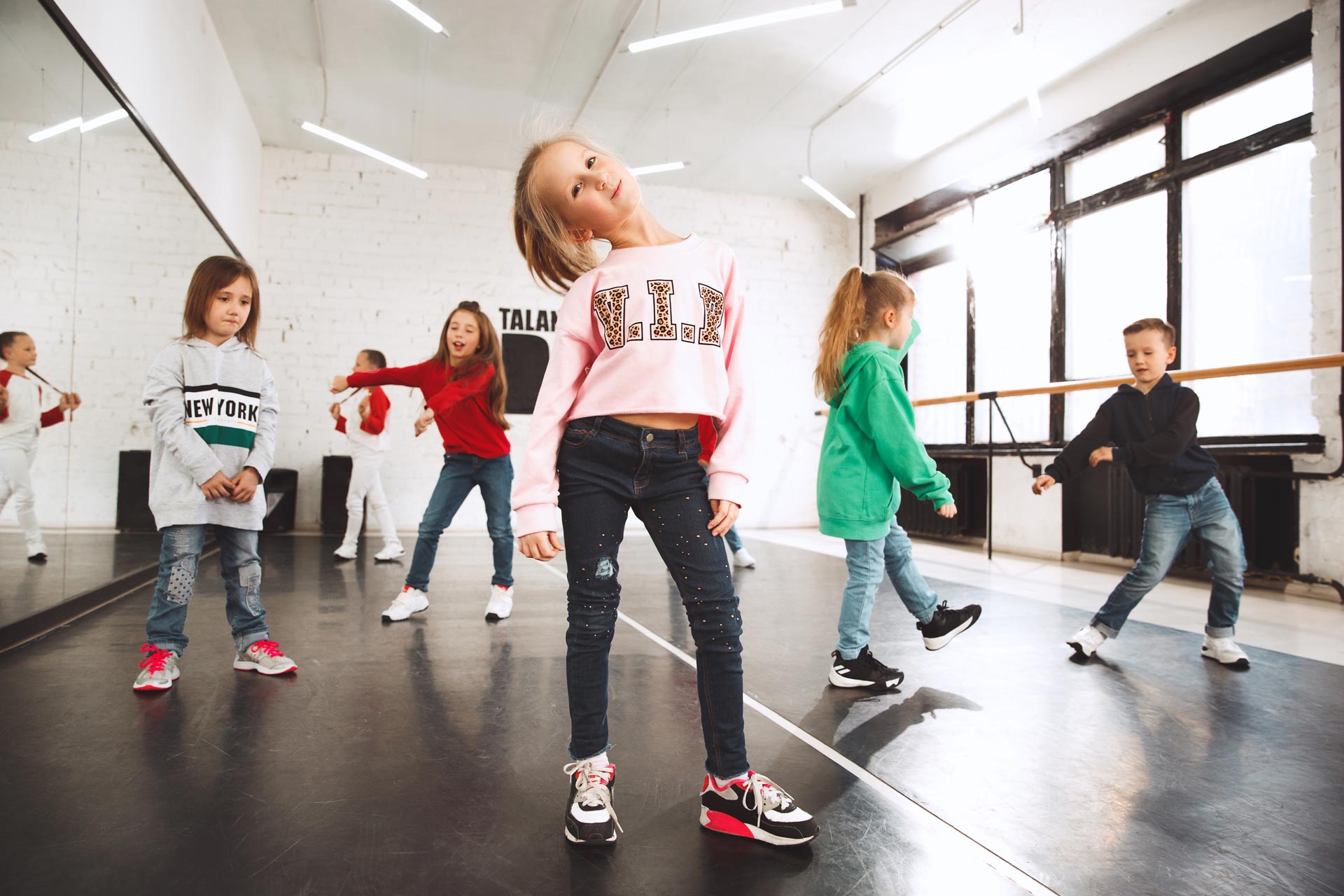
In the dynamic world of art, contemporary dance represents a beautiful blend of classical ballet and emotional expression, providing your children with a unique opportunity for holistic development. Here’s why contemporary dance is essential for your children.

Expressing emotions through movement: Contemporary dance goes beyond classical ballet by combining graceful movements with the freedom of emotional expression. Your children will learn to use their bodies as a language, exploring a wide range of emotions through movements and gestures.

Blend of discipline and creativity: Similar to classical ballet, contemporary dance requires discipline in performing techniques but also encourages creativity in interpretation and expression. This blend develops a holistic approach to learning, where discipline merges with the freedom of expression.

Physical activity and body awareness: Contemporary dance promotes physical activity through dynamic movements, supporting the healthy development of the body. Children will become aware of their bodies, adopting the grace and flexibility that this form of dance brings.

Development of critical thinking: Interpreting different emotions through dance requires thinking and analysis. Your children will develop critical thinking by learning how to make decisions about how to best express specific feelings through their movements.

Teamwork and connection: Contemporary dance often encourages group performances, fostering teamwork and connection. Your children will learn how to create and express together through dance, developing important social skills.

Artistic expression for the soul: Contemporary dance allows children to experience art in a deeper way, combining movement, music, and emotions. This form of dance contributes to spiritual development, providing your children with space for personal and artistic growth.

Involving your children in the world of contemporary dance will not only help them develop physical skills but will also provide them with a tool for expressing and understanding emotions in a deeper way. Let contemporary dance be the path to the holistic growth of your children.
Different Types of Dances

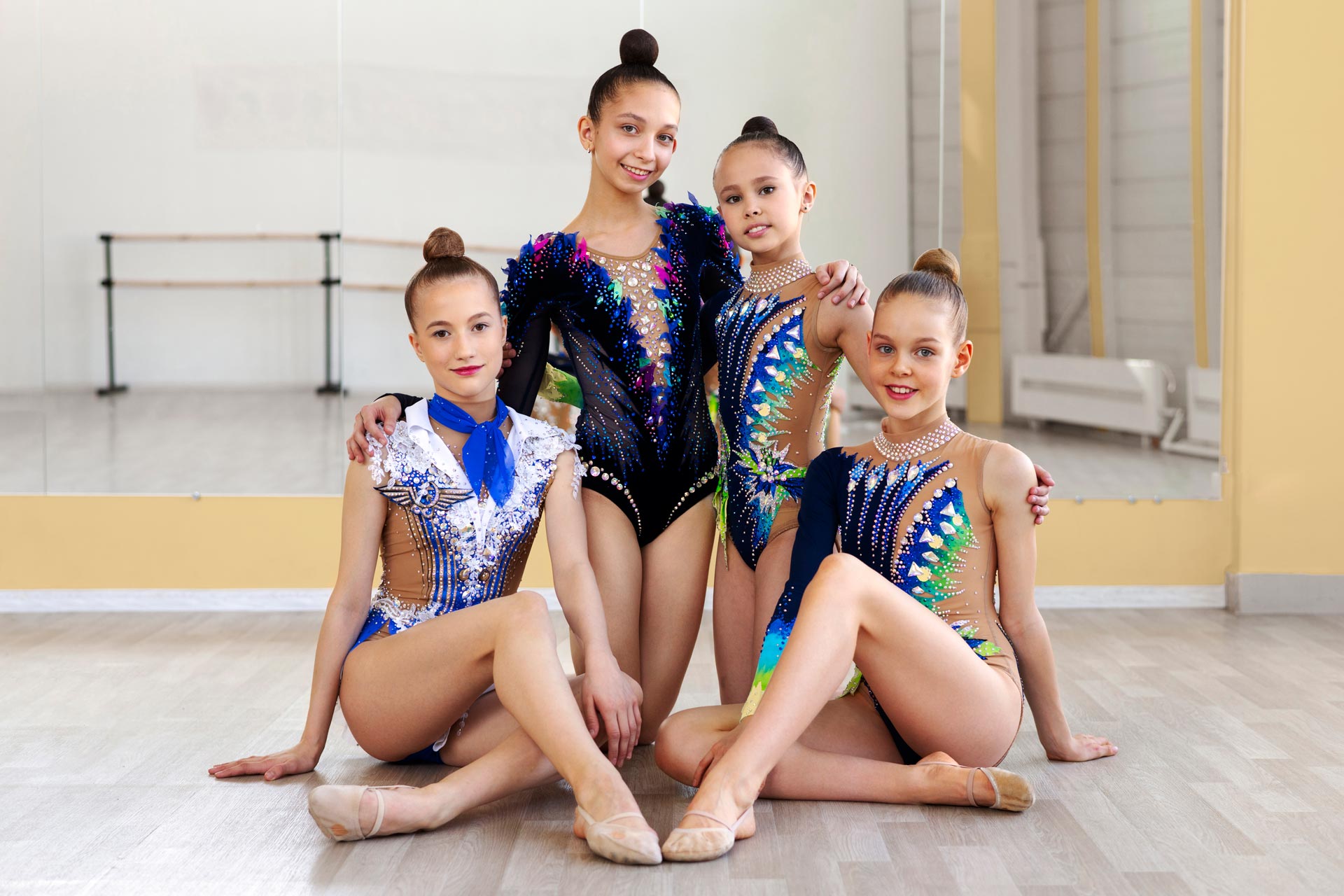
Different types of dances not only offer diversity in entertainment but also provide a wealth of benefits for the holistic development of your children. From traditional dances to contemporary rhythms, the diversity in dance has a significant impact on the health, mental development, and overall well-being of your children.

Exploring cultures through dance: Exploring cultures through dance adds a special layer of diversity to your children’s childhood. Through dance forms like Flamenco, Tango, and other traditional dances, children not only get the opportunity to explore different styles but also to deeper understand the cultures from which these dances originate.

For example, Flamenco from Spain brings energy and passion, Tango from Argentina emphasizes elegance and body communication. This experience not only enriches your children’s childhood aesthetically but also allows them to develop respect for diversity, expanding the horizons of their world.

Learning about various cultures through dance not only supports their cultural education but also promotes tolerance, openness, and understanding of the international community. Let dance become a bridge that connects worlds and opens doors to a deeper understanding of the broader spectrum of human experience.

Physical health: Various types of dances allow your children to use different muscle groups, contributing to the development of motor skills, coordination, and overall bone and muscle health. Additionally, dance is an excellent way to maintain physical activity and supports the overall well-being of children.

Development of creativity: Each dance has its unique style and expresses different cultures and traditions. Learning different types of dances encourages creativity and imaginative thinking in children. They become more open to different artistic expressions and develop the ability to express themselves in various ways.

Mental stimulation: Dances often involve complex patterns and steps, requiring mental engagement and memorization. Your children develop cognitive skills, improving memory, concentration, and the ability to think quickly.

Social connection: Dances often involve group performances, providing an opportunity for the development of social skills and teamwork. Your children will build friendships and camaraderie through shared learning and performing various dances.

Emotional expressiveness: Each dance can convey different emotions and stories. Your children learn how to recognize, express, and understand emotions through movement. This is especially important for the development of emotional intelligence.

Holistic health approach: Learning different types of dances provides your children with a holistic approach to health, encompassing physical, mental, and emotional well-being. Dance becomes a means through which your children develop balance and harmony between the body and mind.

Overall, involving your children in various types of dances provides them with a unique opportunity for comprehensive development. Let diversity in dance be the path to a stronger, healthier, and happier childhood.

Psychomotor Skills

Psychomotor development plays a crucial role in laying the foundation for the healthy and successful life of your children. Here are several key aspects that help understand why early and professional intervention in psychomotor development is essential.

Early intervention: Psychomotor development begins from the earliest days of life. Already in early childhood, through simple activities such as touch, pushing, and toys that encourage exploration, your child starts building the foundations of motor and cognitive skills. Early intervention sets the stage for optimal development.

Professional supervision: Experts in the field of psychomotor development, such as occupational therapists and physiotherapists, play a key role in guiding children through this process. They provide expertise and specific exercises tailored to the needs of each child, taking into account individual characteristics and challenges.

Problem-solving: Psychomotor therapy is particularly important for children facing challenges such as developmental delays, coordination problems, and difficulties in fine and gross motor skills. This approach can help overcome these challenges and enable children to successfully master everyday activities.

Connection to the development of basic skills: Psychomotor development is linked to the development of basic life skills. Through expert guidance, children develop the abilities necessary for independent living, including writing, dressing, feeding, and performing daily tasks.

Mental stimulation: Psychomotor tasks engage your children’s brains in a unique way. Through games that require coordination of movement and concentration, children develop cognitive skills, improving attention, memory, and problem-solving abilities.

Research and figures: Studies have shown that children involved in professionally guided psychomotor development programs have improved cognitive abilities, emotional stability, and better adaptation in the school environment. Early identification and intervention demonstrate long-term benefits for children with special needs.

Ultimately, the initiation of early and professional intervention in psychomotor development lays the groundwork for a healthy and balanced life for your child. In collaboration with professionals, you ensure the best conditions for optimal development of motor and cognitive skills, allowing your child to thrive in all aspects of life.

Yoga for Children and Teens

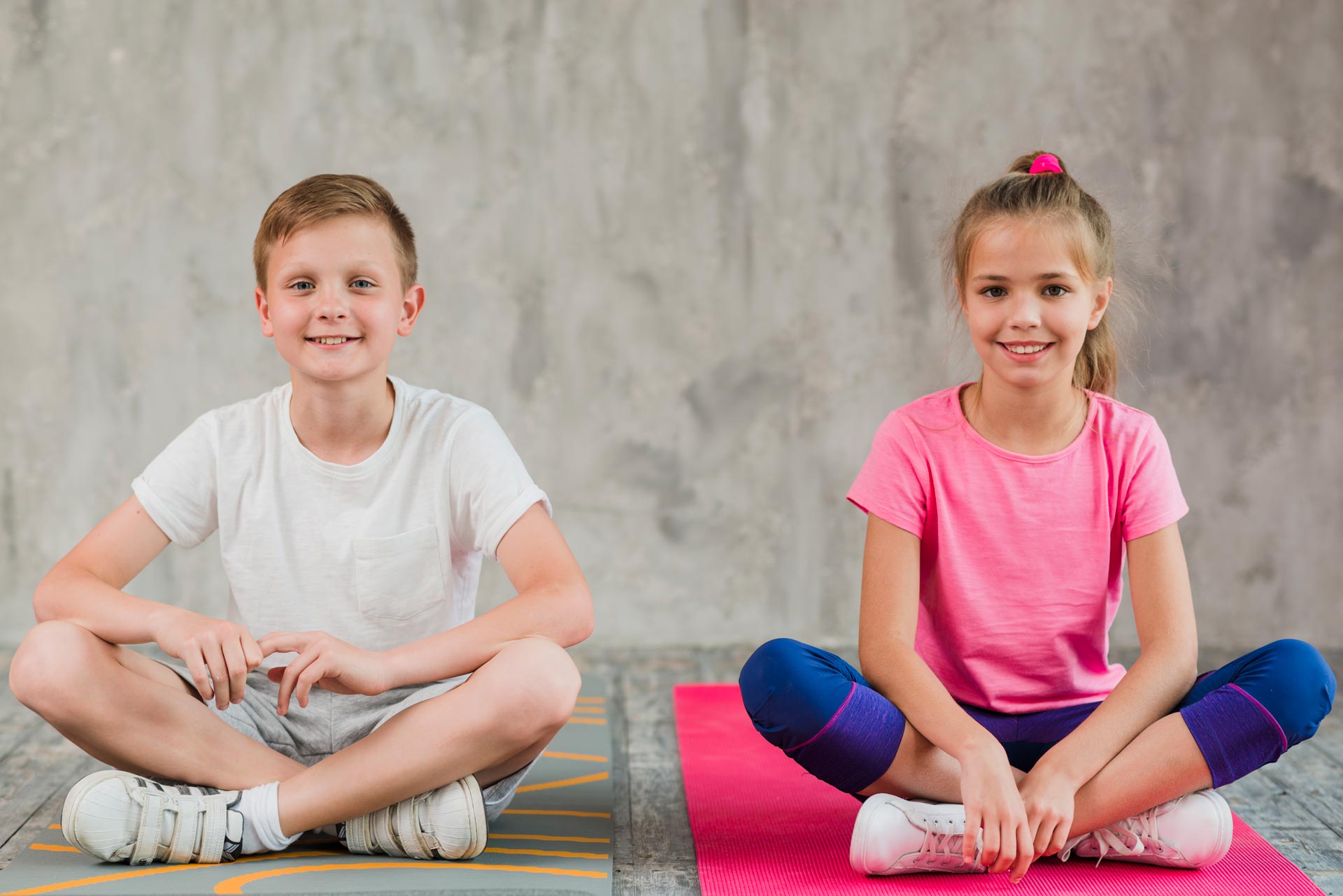
Introducing yoga into your children’s lives can have a deep and positive impact on their physical, mental, and holistic development. Here are a few reasons why yoga is important for children.

Physical activity and flexibility: Yoga provides a unique combination of physical movements that improve strength and flexibility. Through various poses and exercises, children develop motor skills and a sense of their own bodies, making them more physically active and agile.

Reduced anxiety and stress: Yoga teaches children breathing and relaxation techniques, providing them with tools to cope with anxiety and daily stress. Regular yoga practice helps children develop emotional intelligence, strengthening their ability for self-regulation and calming the mind.

Development of discipline: Yoga encourages discipline through regular practice and commitment to the practice. Children learn the value of consistency and develop discipline that is beneficial not only in yoga but also in other aspects of life, including school and household responsibilities.

Self-reflection and awareness: Yoga promotes self-reflection through moments of silence, meditation, and introspection. Children learn to be aware of their emotions, thoughts, and bodies, supporting the development of introspective and self-aware individuals.

Play and creativity: Yoga for children is often combined with play and creative expression, creating a fun and stimulating approach. Through play and imaginative exercises, children not only improve their physical abilities but also develop creativity and freedom of expression.

Research and numbers: Studies show that children who practice yoga have reduced stress levels, improved attention and concentration, and better sleep. Numerous studies also indicate the benefits of reducing anxiety symptoms in children who regularly practice yoga.

Incorporating your children into the world of yoga can be a gift that will accompany them throughout life. Through these practices, children not only strengthen their bodies but also develop tools to cope with life’s challenges, promoting healthy physical, mental, and emotional development.

Chess

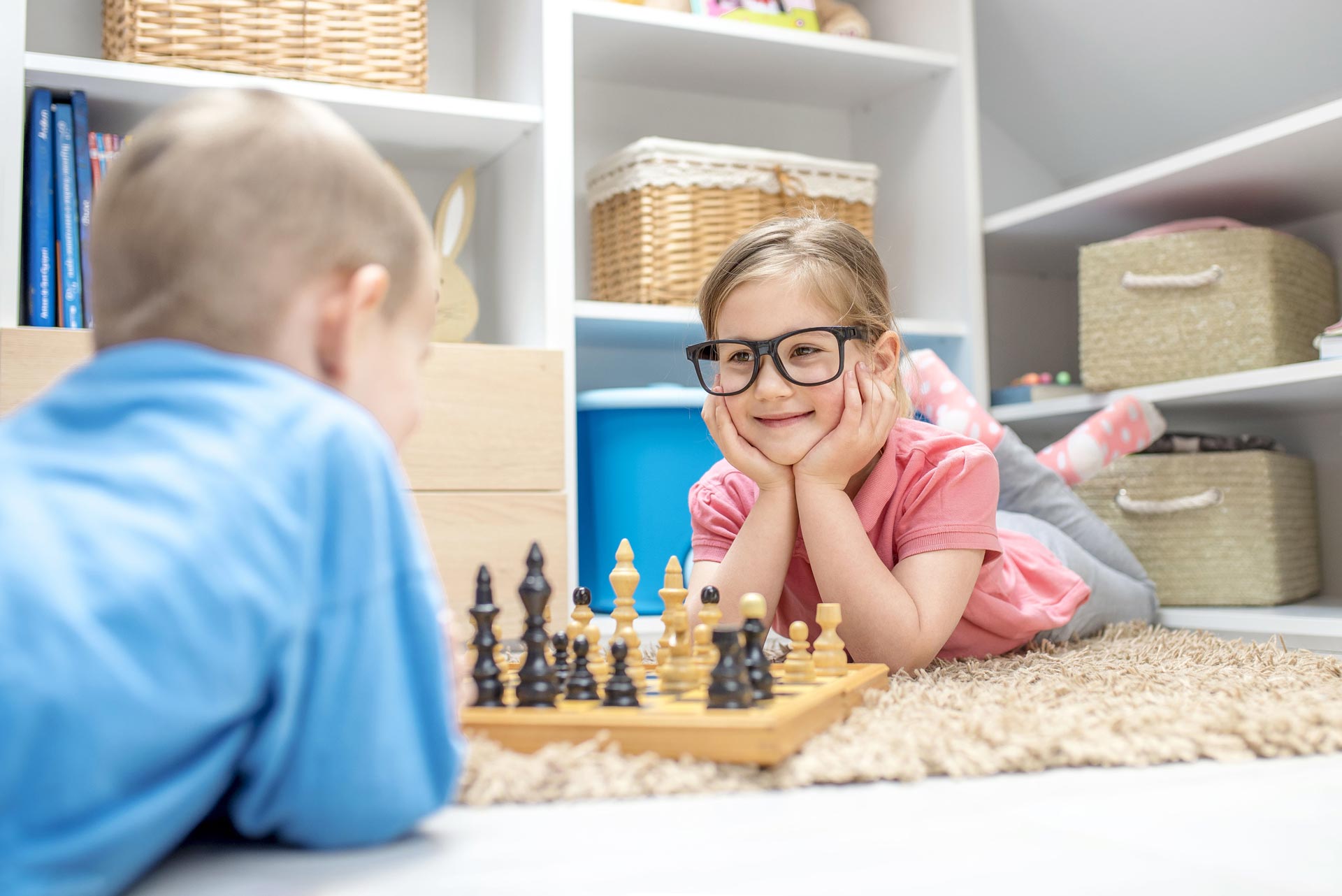
Introducing chess into your children’s lives can be extremely beneficial for their comprehensive development. Chess, as a game that requires deep thinking and strategy, brings numerous advantages that impact the intellectual, emotional, and social aspects of childhood.

Development of cognitive abilities: Chess is known for its ability to enhance cognitive functions. Children who play chess develop thinking skills such as analytical thinking, planning, and predicting moves. These skills not only help them in the game of chess but also strengthen the foundation for successfully facing challenges in school and life.

Faster learning and more efficient problem-solving: Chess is like a mental exercise that stimulates the brain and encourages faster thinking. Children who play chess often develop the ability to draw quick conclusions, efficiently solve problems, and adopt a strategic approach to the challenges they encounter.

Improvement of concentration and attention: Playing chess requires careful attention and concentration. Children engaged in this game learn how to maintain focus on multiple things at once, a skill that can be applied in many life situations, from learning in school to performing daily tasks.

Self-confidence and character development: Each chess game brings new challenges, victories, and defeats. Through these processes, children learn how to cope with ups and downs, developing self-confidence and character. Chess teaches them how to react appropriately to situations, whether they are successes or failures.

Social skills and fair play: Chess often promotes fair play and respect for the opponent. Children learn how to communicate and integrate with others through the game, developing social skills that will benefit them throughout their lives.

Research and figures: Studies show that children who regularly play chess have improved results in mathematics and reading, and demonstrate higher levels of creativity. Figures also show that chess can be used as an effective learning tool for children, improving academic performance and developing analytical abilities.

Introducing chess into your children’s lives provides them with an opportunity to learn, grow, and develop key skills necessary for successfully navigating life’s challenges. Let each chess piece be a step toward a stronger, more intelligent, and more confident childhood.

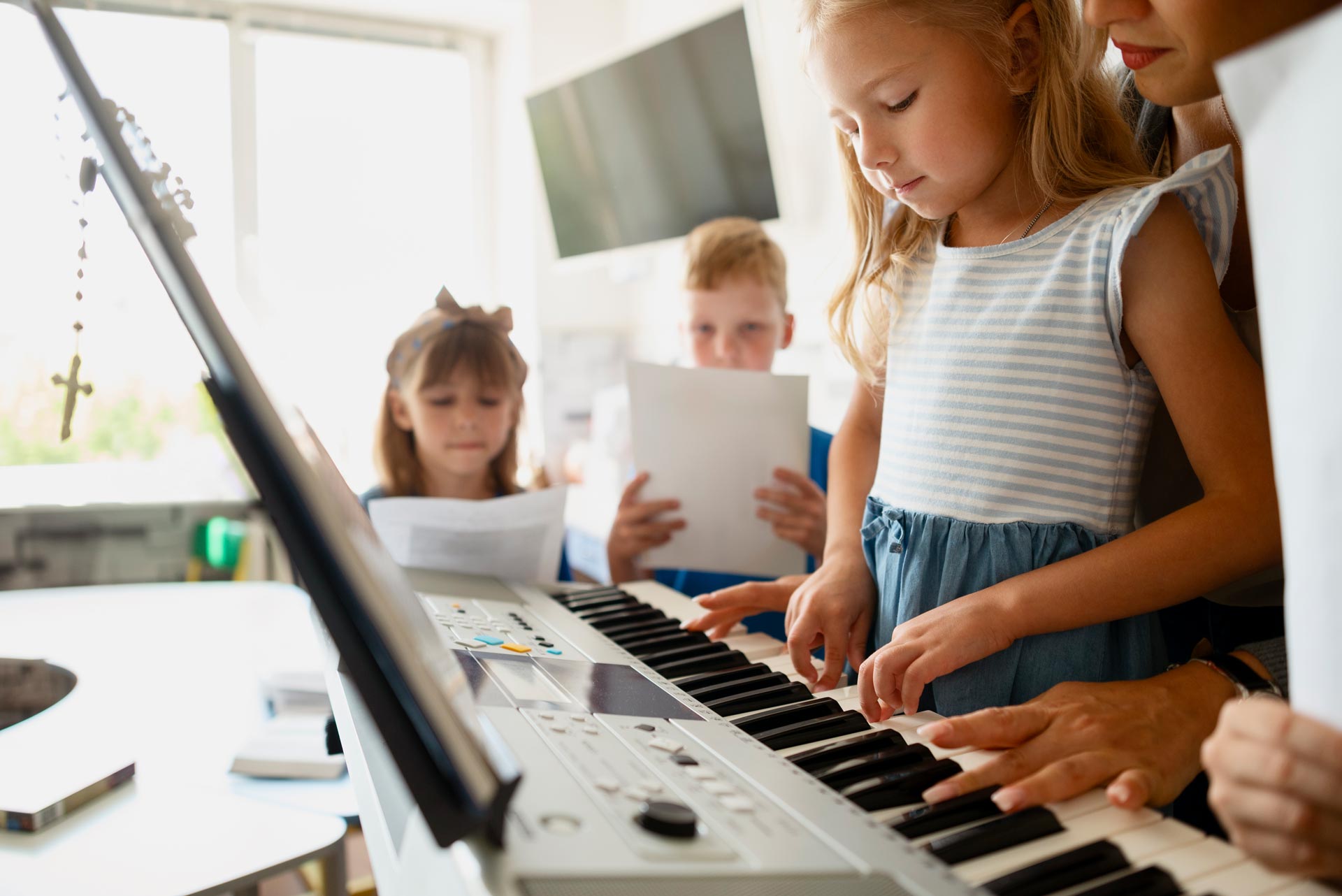
Playing Instruments

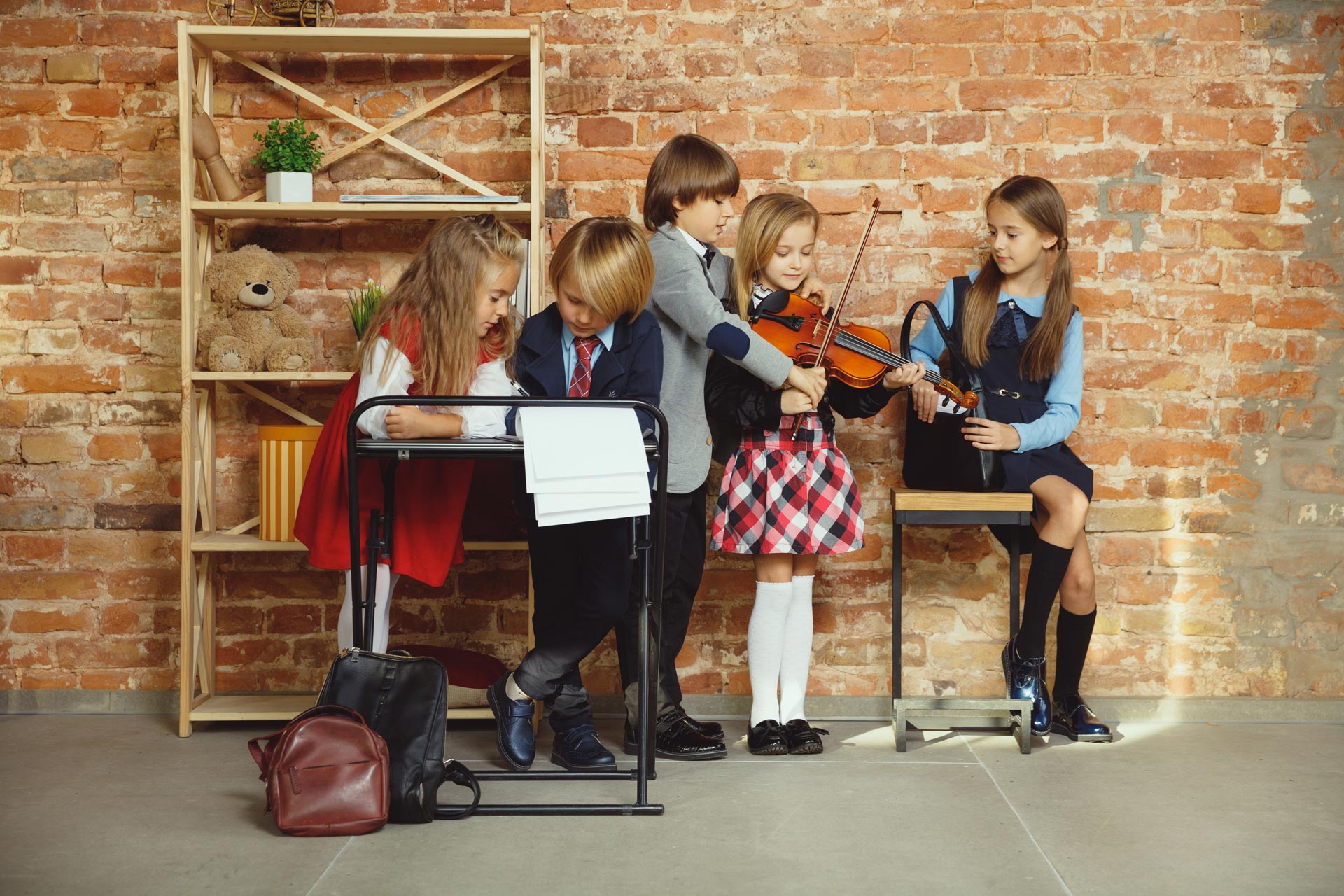
Introducing your children to the art of playing instruments can have an exceptional impact on their development in many ways. Below, we will list just some of the reasons.

Improvement of academic results: Research shows that children who learn to play instruments often achieve better results in school. Developing musical skills is linked to improved learning capacity, especially in mathematics and languages. Musical education stimulates different parts of the brain, resulting in more comprehensive cognitive development.

Development of discipline: Learning to play requires regular practice and dedication. Children who play instruments often develop discipline by aligning their desires and play with practice. This discipline is transferred to other aspects of life, including school responsibilities and challenges.

Emotional well-being: Playing an instrument provides an outlet for expressing emotions through music. This can be especially important for children facing challenges in social interactions or emotional difficulties. Music gives them a means to express and process their feelings.

Self-confidence and creativity: Acquiring instrument-playing skills contributes to the development of self-confidence in children. Every successful tone or melody strengthens their confidence in their abilities. Additionally, playing an instrument encourages creativity through improvisation and creating their own music.

Social connection: Playing in an ensemble or group provides an opportunity for the development of social skills. Children learn to collaborate, listen to others, and synchronize with the rest of the group. This social connection can be key to building friendships and a sense of community.

Research and figures: Numerous studies indicate that musical education positively influences cognitive development, attention, and memory in children. Also, figures show that children involved in musical education often exhibit higher levels of self-confidence and less pronounced stress.

Learning to play an instrument sets the foundation for the comprehensive development of your children, from intellectual to emotional and social aspects. Let every note be a step toward a rich, harmonious, and creative childhood.

Singing

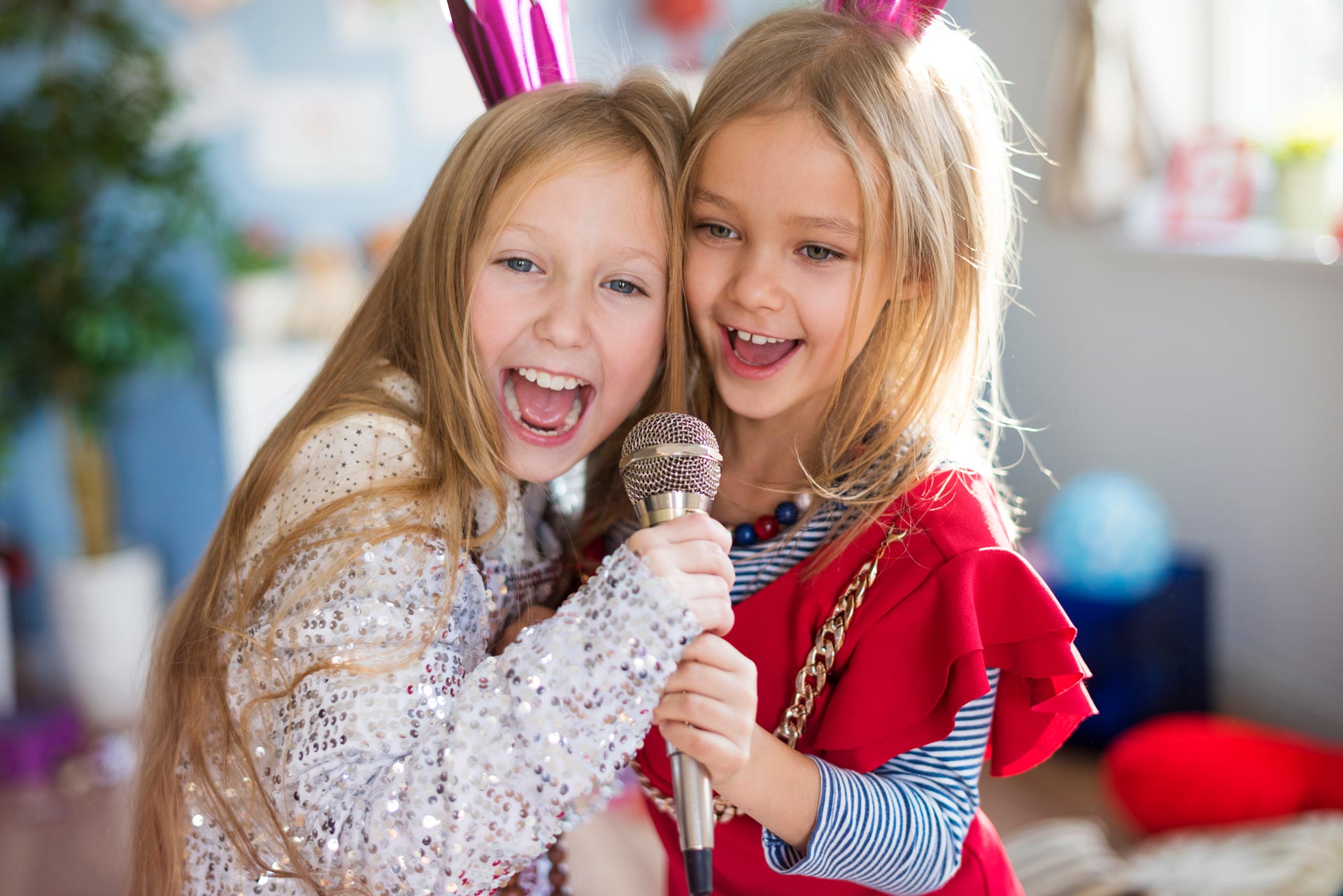
We are looking forward to exploring together the magic of singing and its impact on the lives of your children. Singing brings a range of benefits for their overall well-being, and here are a few reasons why this art form is important for children.

Physical Health: Singing involves active engagement of the respiratory organs, improving lung capacity and overall breathing function. Regular singing can contribute to strengthening respiratory muscles, positively impacting the general physical health of children.

Mental Well-being: Singing has the power to influence the mental health of children. Expressing emotions through melody provides them with a way to express and cope with various feelings. Singing can serve as a therapeutic tool to reduce stress, anxiety, and promote relaxation.

Learning through Fun: Singing is a enjoyable activity that allows children to learn through play. Through songs, children can acquire language, enhance memory, and develop auditory skills. This natural method of learning makes the educational process enjoyable and motivating.

Energy Outlet for Energetic Children: For children with excess energy, singing can serve as an outlet to release that energy. Singing songs with rhythm or dancing to music offers them a creative way to release energy and maintain an active lifestyle.

Development of Social Skills: Situations where children sing together, such as school choirs or family singing sessions, encourage social interaction. Children learn to share, collaborate, and build mutual respect through communal musical expression.

Research and Figures: Studies indicate that singing can improve emotional intelligence in children, reduce the risk of depression, and enhance self-confidence. Furthermore, statistics show that regular singing can improve language skills and foster creativity in children.

Let singing become an integral part of your children’s childhood, providing them not only with joy and entertainment but also a range of health benefits that will accompany them through life.

Music Workshops

Choosing the right instrument or type of singing for your child can be like discovering a magical world of sound. If you’re considering introducing your child to the world of music but are still unsure about what to choose, our music workshops are the perfect place to explore and find what best suits their inclinations and passions.

Diversity of instruments and styles: Our music workshop offers a wealth of different instruments and styles of singing. Whether your children are drawn to the magic of the guitar, the power of drums, the melodiousness of the piano, or the expressiveness of singing, we have something for everyone. We work together to allow you to explore different options and find one that best reflects your child’s personality and preferences.

Guided sessions with professionals: Our music workshops are led by experienced professionals who are passionate about music and teaching. You have the opportunity to work with mentors who will guide your children through the basics of playing instruments and singing techniques, helping them develop their skills and discover their love for music.

Experimenting with different sounds: Music workshops provide a safe space for experimenting with different sounds and styles. Whether your child wants to explore acoustic gentleness or immerse themselves in dynamic rhythms, here they have the opportunity to find their unique musical path.

Community: By joining our music workshops, your child becomes part of a community where they can build various friendships. Together, we create an atmosphere of support and creativity.

To help your little ones discover their musical passion and provide them with resources and support to nurture it is our goal.

Join your children in our music workshops and let them experience the joy of discovering a world of sound that reflects their unique melody.

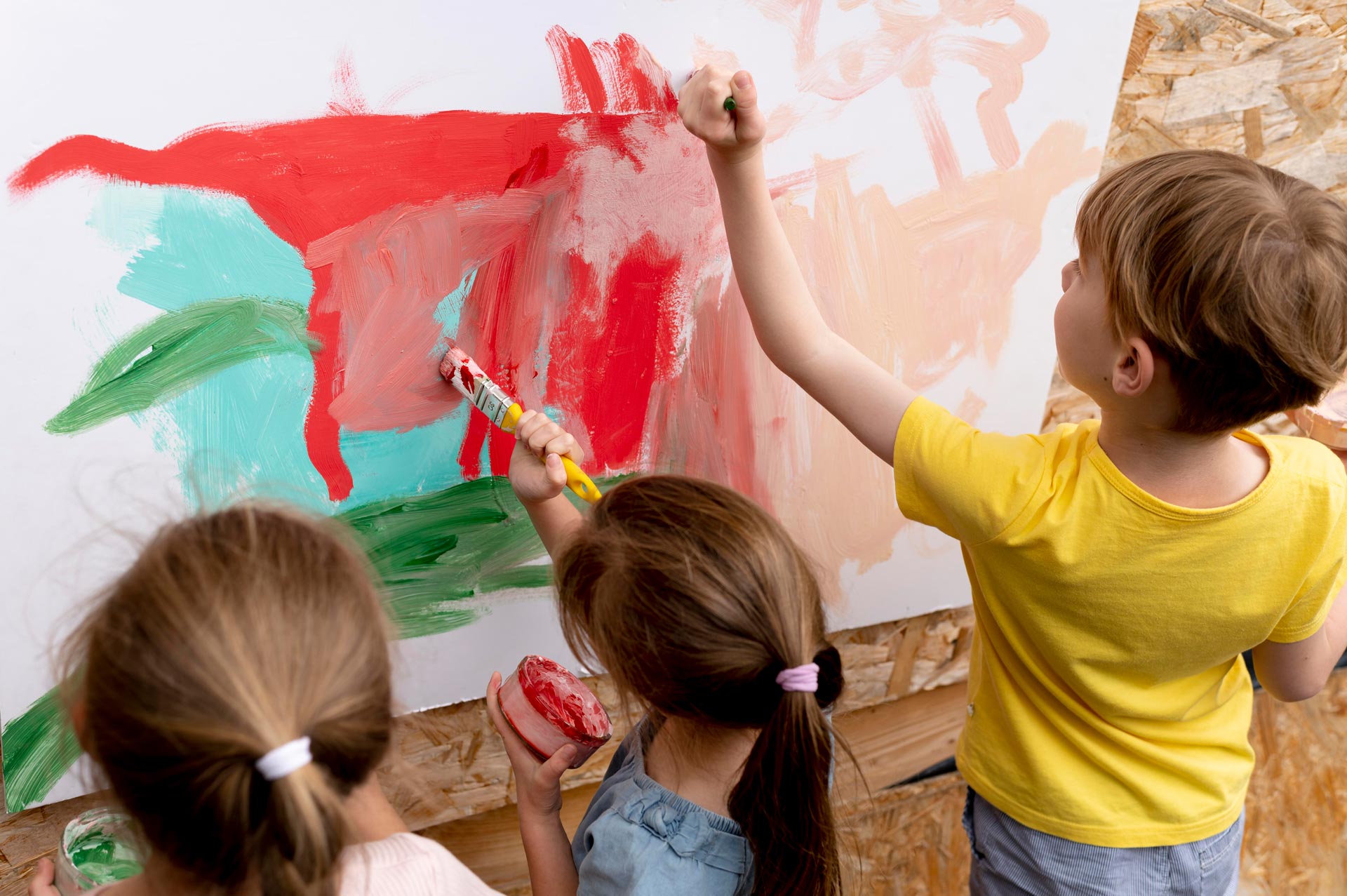
Drawing and Painting

In the world of color, lines, and imagination, drawing represents an exceptional experience that brings not only the creation of artistic works but also a range of benefits for your child. Through our drawing classes, children not only develop creativity but also acquire new skills, socialize, express their emotions, and, above all, enjoy the charms of art.

Acquiring new skills: Our drawing classes provide a structured approach to learning various drawing techniques, perspectives, coloring, and composition. Children have the opportunity to explore different styles, from classical to contemporary, helping them develop their skills and discover their own artistic expression.

Socialization through art: Drawing is not just an individual activity—it is an opportunity for dialogue, sharing ideas, and collaborating with other children. Our classes encourage socialization through art, where children feel free to express themselves, ask questions, and share their artistic visions within a stimulating community.

Expression of emotions and self-confidence: Through drawing, children have the opportunity to express their emotions, fantasize, and create a world from their perspective. This form of expression helps them understand and process their feelings, boosts self-confidence, and provides space for growth and development.

Enjoying the process of creation: Our classes are not just about creating finished artistic pieces but also about enjoying the process of creation itself. Children are encouraged to explore, experiment, and revel in the freedom of expression without the fear of judgment.

Development of motor skills: Drawing promotes the development of fine motor skills, coordination, and precision in children. Through working with various drawing tools such as pencils, brushes, and crayons, children improve their motor skills and develop hand control.

Comfort in artistic expression: Our approach to drawing emphasizes the importance of comfort in artistic expression. Children are encouraged to be authentic, free in their expression, and without fear of making mistakes. Every line, shape, and color tells a unique story that the child freely narrates.

Join us in drawing classes to discover the joy and beauty of art together and provide your child with a space for expression, learning, and enjoyment in the process of creation.

English Language

The English language today is not just a means of communication; it is the key that unlocks the doors to different worlds, providing your child with the opportunity to acquire new skills and global connectivity. In our English language classes, a child not only learns a new language but also develops and enhances cognitive abilities.

Acquiring new skills: Learning the English language brings a wide range of new skills. Children not only acquire vocabulary and grammar but also develop the ability to listen, express thoughts, and communicate in a foreign language. These skills become valuable resources that will accompany them through school, work, and life.

Global connectivity: The English language has become the language of global connectivity. Through learning English, a child gets the opportunity to communicate with people around the world, access the wealth of information on the internet, and participate in international projects. This global connectivity opens doors to diverse cultures and perspectives.

English language in everyday life: The English language is omnipresent in today’s world. From media and the internet to music and film, the English language is integrated into everyday life. Knowing the English language enables a child to actively participate in modern society, keeping up with and contributing to the latest trends and information.

Cognitive benefits of learning a new language: Research shows that learning a new language has a positive impact on the cognitive abilities of children. The language learning process promotes the development of attention, memory, and problem-solving skills. Children who acquire a second language often exhibit greater mental flexibility, improved creativity, and better understanding of complex concepts.

Customized approach to learning: Our English language classes are tailored to the age and needs of the children. We use interactive learning methods that encourage dialogue, play, and exploration. Through this customized approach, a child not only acquires the language but also develops a love for learning.

With our English language classes, your child will not only become multilingual but will also develop a set of skills that will be invaluable in the future. We learn together, grow together, and open doors to new possibilities through the magic of language learning.

NOTE: Lessons are being held online.

Pricing:

  • 101/individual: 300BAM for 10 classes
  • 102/semi-individual: 280BAM for 10 classes
  • Group: 250BAM for 10 classes (group of 4 is max)
  • Group or semi-individual sessions can be: siblings, spouses, friends, etc.